
WOOD – BUILDING MATERIAL OF THE FUTURE
We at Mayr-Melnhof Holz refine the valuable raw material that is wood to create long-lasting and value-retaining building materials.
Natural, value-retaining & simply feeling good.
Mayr-Melnhof Holz timber construction products are building materials for today and the future.
#mm #mmholz #mayrmelnhofholz #whereideascangrow #woideenwachsenkönnen #rohstoffholz #rawmaterialwood #baustoffholz #bauenmitholz #holzbau #timberconstruction #builtwithwood

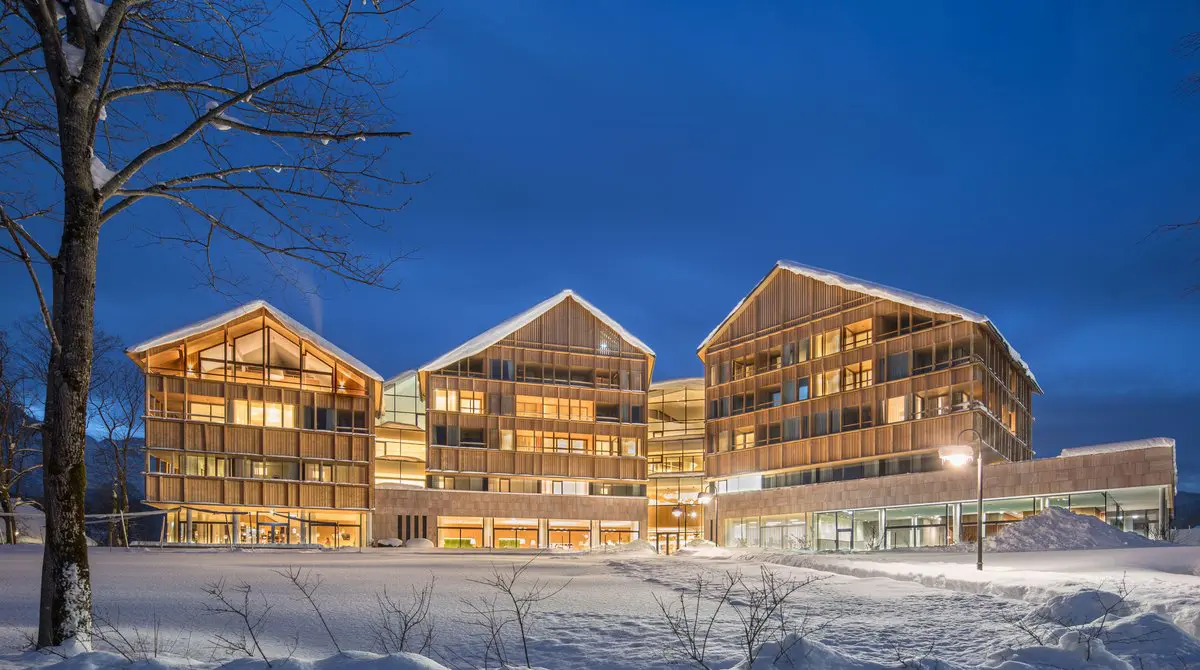
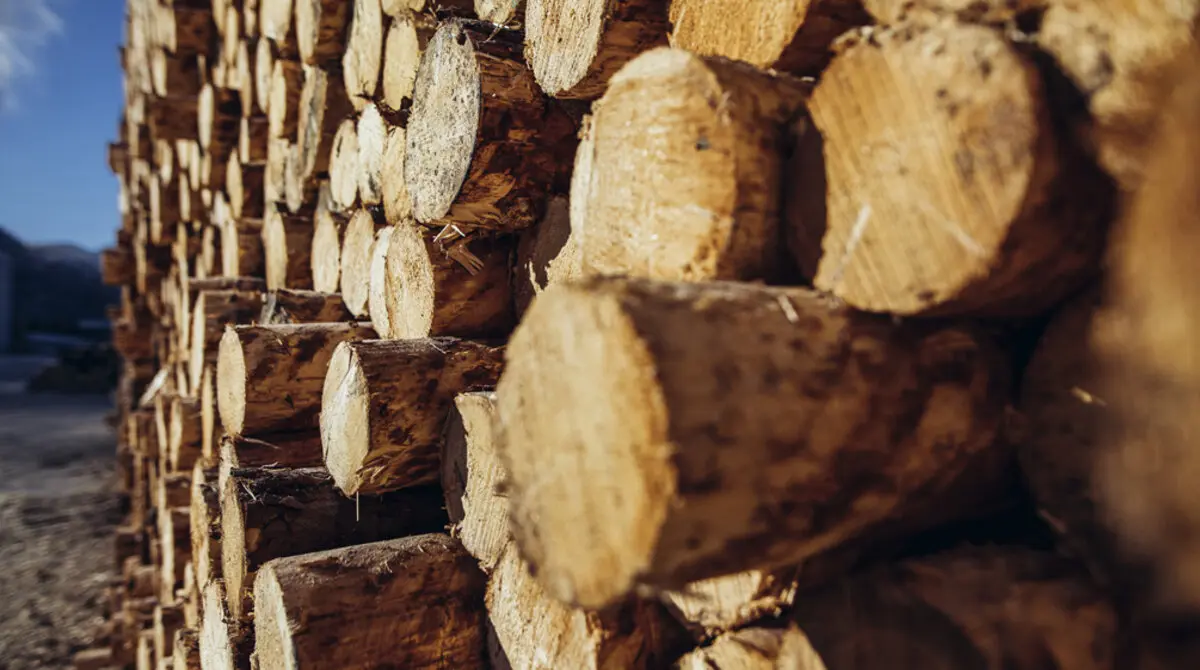
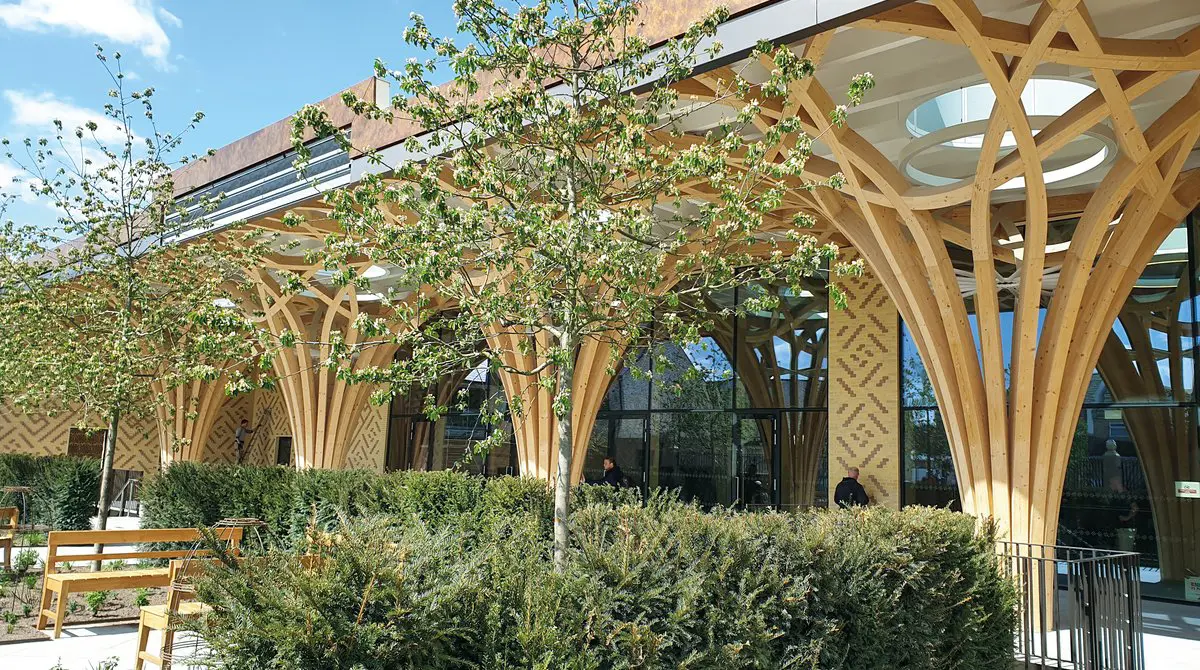
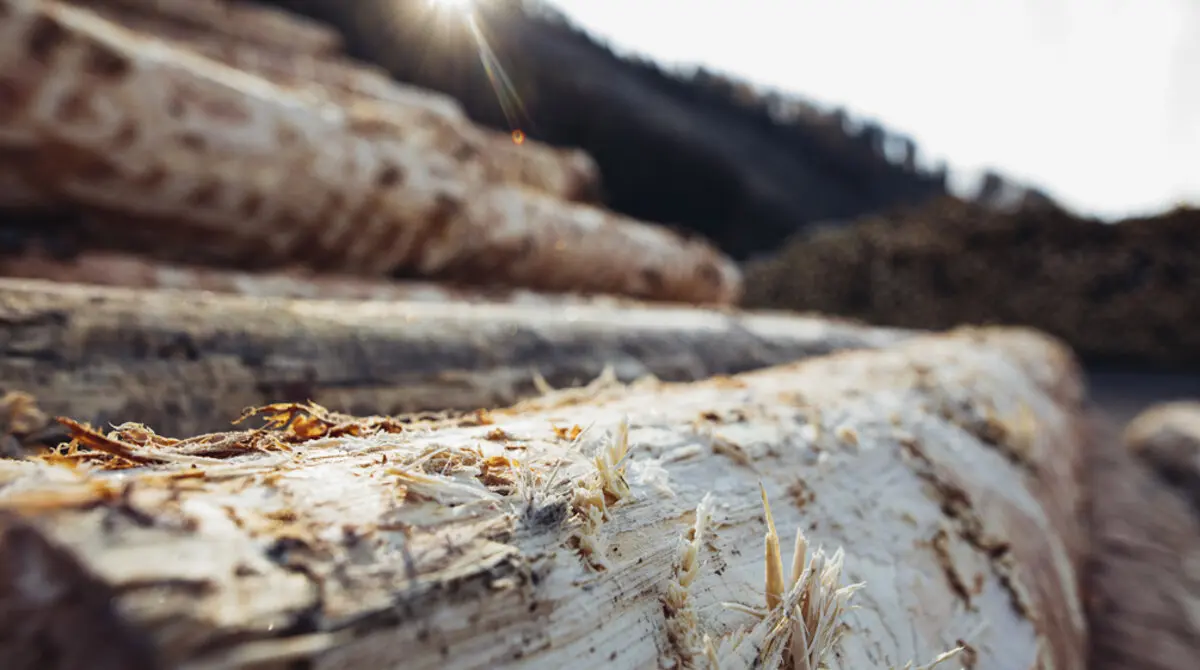
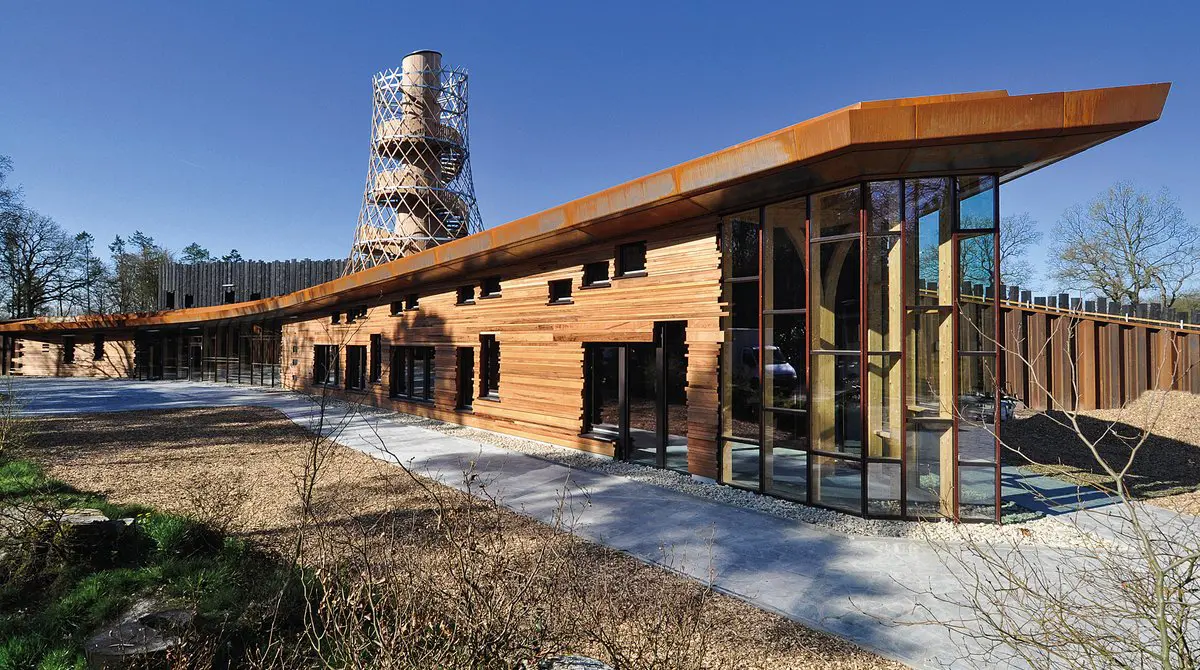
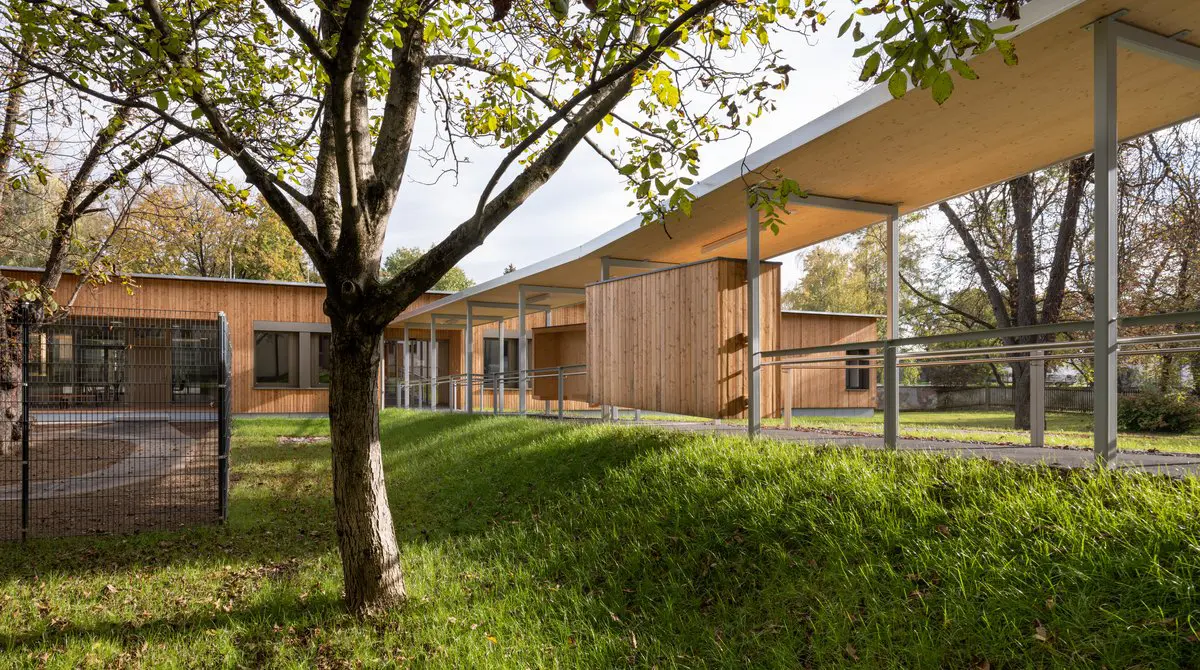
As a building material, wood is becoming more and more important. It wows with its looks, its friendly and warm surface character and can be widely and efficiently applied due to its mechanical and physical material properties.
With our know-how, we at Mayr-Melnhof Holz produce natural and value-retaining timber construction products that fully meet highest demands towards quality, efficiency and offer our customers ideal application possibilities thanks to their superior properties. All Mayr-Melnhof Holz products are comprehensively tested and PEFC-certified.
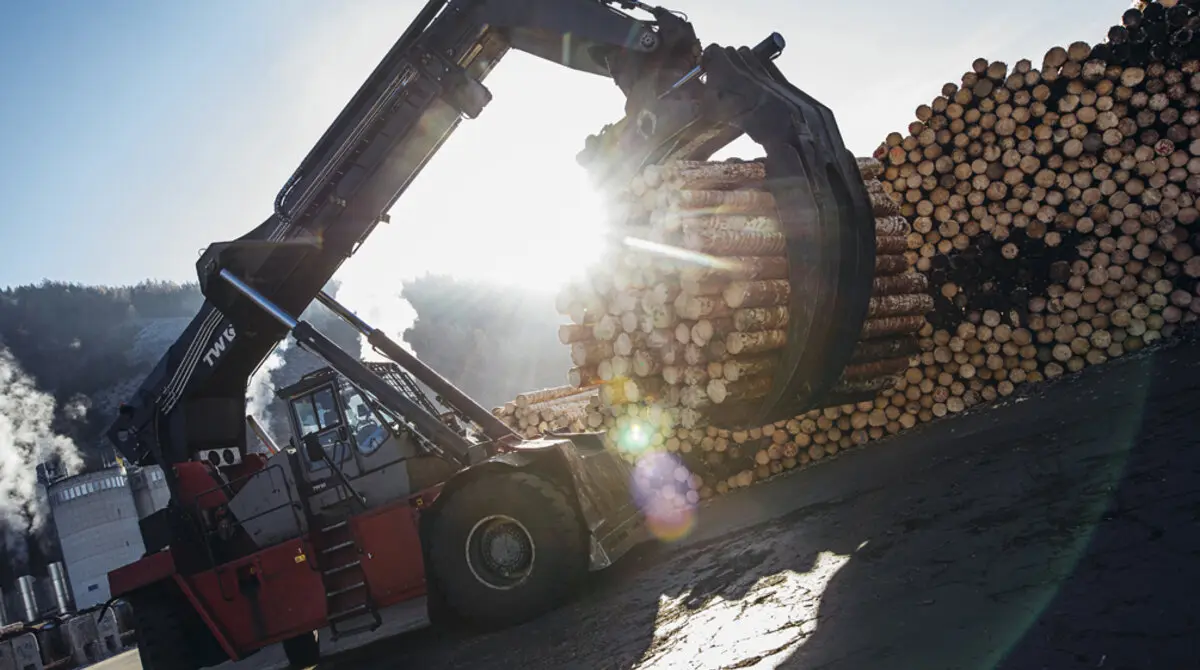
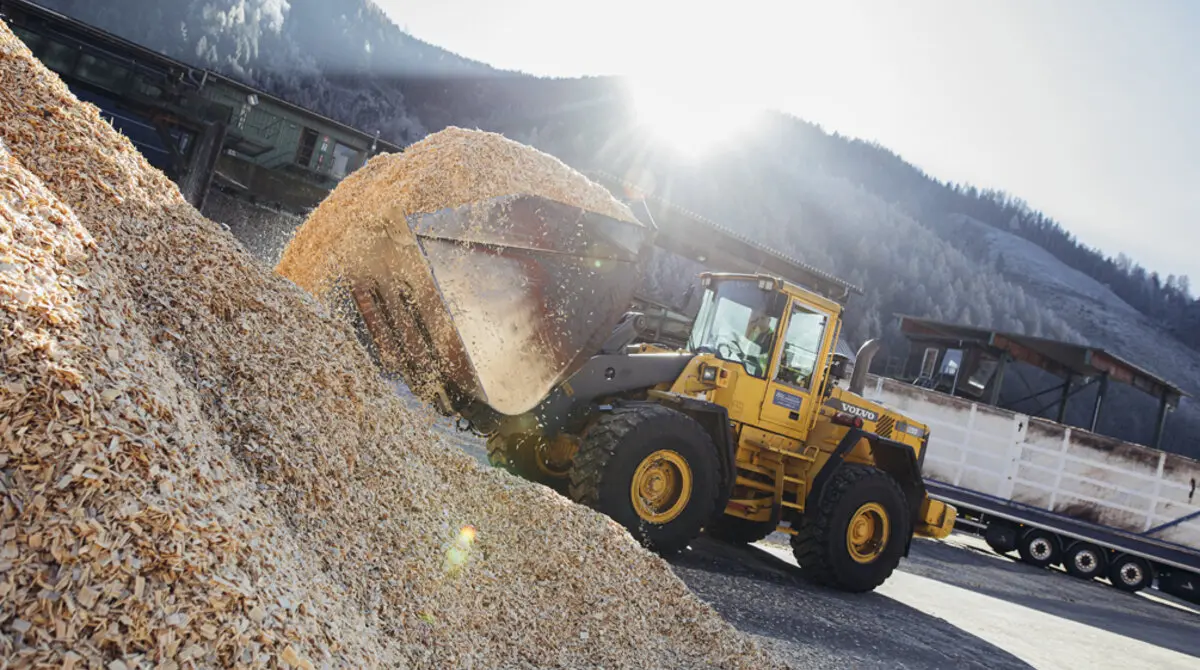
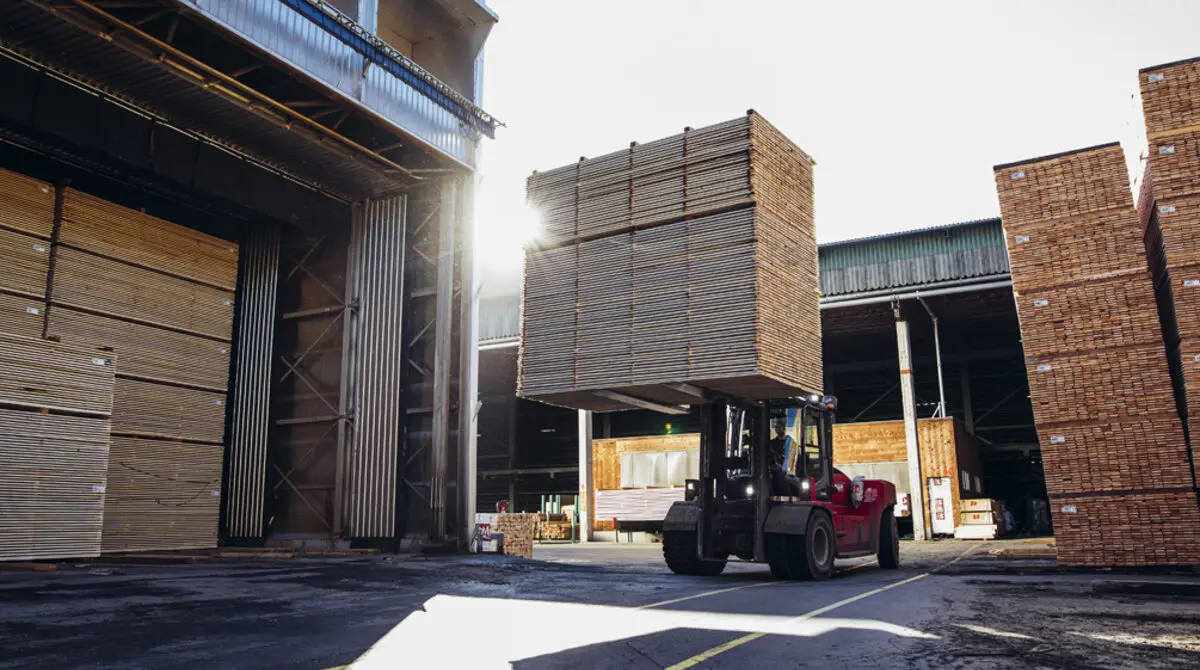
We source the raw materials for our products from forests that are managed in accordance with strict European forestry legislation and are predominantly located near our sawmills. To ensure the necessary strength and prevent the timber from shrinking or warping, we dry the sawn timber using energy-efficient equipment and state-of-the-art electronic controls directly at our sawmill sites, sort it by quality and deliver it to customers or to our own further processing plants. There, the dried sawn timber is processed into building components for construction projects, and the products – cut to exact dimensions where required – are delivered directly to the building site, where they can be assembled quickly, in dry, clean and quiet conditions.
Choosing Mayr-Melnhof Holz products is a well-founded decision: Wood helps us fight climate change. No other building material requires less energy to produce and absorbs and stores carbon while providing vital oxygen. There is no healthier solution for our future.
Further information
(available in German only):
Ecological advantages of timber construction
Wood protects the climate.
Wood continues the carbon-storing effect of the forest. In other words: Wood has three positive effects on the climate: First of all, one cubic metre of wood stores one ton of harmful CO2. Secondly, the production of wood-based products causes less CO2 and thirdly, the use of wood instead of traditional building materials prevents CO2 emissions during their production.
Wood grows back and is locally and sustainably available.
Contrary to mineral-based building materials, wood does not use up reserves that have accumulated over millions of years. On the contrary, in Austria’s forests, for example – which are managed in accordance with the strict criteria of our Forestry Act – more timber grows back each year than is harvested.
Wood replaces high-carbon building materials.
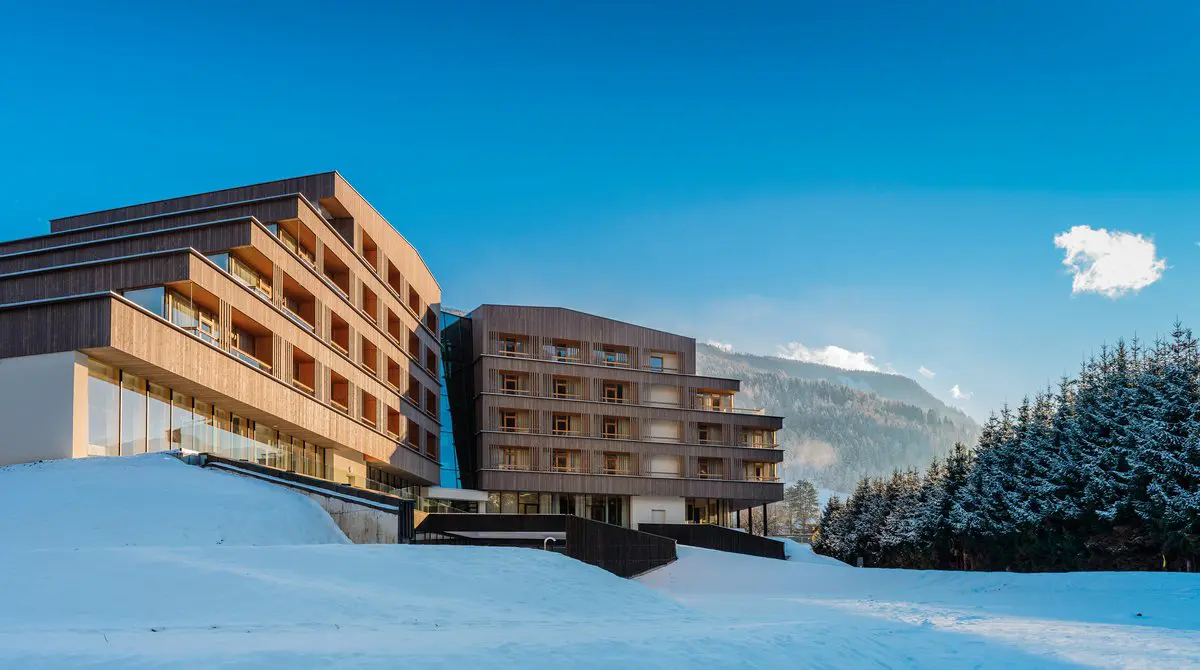
Thanks to their excellent properties as building material, cross-laminated timber and glued laminated timber elements can, in many cases, replace high-carbon building materials such as concrete, bricks or steel. Even in areas in which wood was not seriously considered as a main or superstructure building material or regarded as exotic twenty years ago, such as multi-storey residential buildings or community buildings such as kindergartens and schools, wood is now a fully developed and proven alternative to traditional building materials. There are even examples where high-rise buildings with 20 storeys and more and hospitals were built with wood.
Wood doesn't produce waste.
Thanks to the concept of cascade utilisation, wood remains in the utilisation cycle for a long time. Once they have reached the end of their life cycle, wooden buildings can be removed easily, individual building components can be reused or turned into energy by means of carbon-neutral incineration which releases the carbon stored during the tree’s growth, whereby the carbon cycle closes.
Technical and commercial arguments for timber construction
Wood is a highly developed building material and thus has many applications.
Extensive research and development have created new wood materials such as solid, large-format cross-laminated timber boards and cross-laminated timber concrete composite elements. This allows for solid timber construction using flat building components as well as multi-storey timber construction projects such as the 24-storey HoHo in Vienna. Computer-assisted dimensioning and production methods as well as state-of-the-art CNC machining services allow for varied design options and premium, millimetre-precise execution.
Wood boasts a high degree of pre-fabrication.
Walls, ceilings and entire room cells can be pre-fabricated from wood in the plant – precisely, independent of the weather and under protected conditions. This allows for maximally low-noise, -waste and -dust installation at the construction site. As timber construction elements usually only have to be assembled and screwed together and the structure is generally rain-proof once the roof has been put on, timber buildings can be erected in very short spans of time and in any weather, eliminating many shortcomings.
Timber constructions save time and money. And protect your nerves.
Thanks to a high degree of controlled pre-fabrication, construction time and costs can be calculated with high reliability while the standardisation of room cells and the associated economies of scale open up significant cost advantages and lastly, as wood is lighter than concrete and steel, one can save even more money on the foundations. The fact that interior fit-out can start immediately after installation allows for quick completion without unpredictable construction site effects slowing down the process.
Pre-fabrication in modular timber construction such as hotels, nursing homes, hospitals and student accommodation allow for the production of prototypes as samples to be walked in, inspected, improved and accepted. This gives responsible parties and users a direct idea of the end product and they can alter the plans in due time. Which, in turn, increases the users’ acceptance.
The delivery of pre-fabricated components minimises coordination efforts between the individual trades, not least guaranteeing consistently high quality. Construction site transports are reduced to a minimum, residents living nearby benefit from less noise, dirt and shorter road closures.
Wood keeps you warm and offers more net floor space.
Wood boasts a naturally high thermal insulation value, equalises temperature changes and is highly energy-efficient over the entire life cycle of the building. Thanks to these properties the walls of solid timber constructions can be made a lot slimmer than those used on conventional buildings. Wooden buildings with the same exterior dimensions as conventional buildings have roughly ten per cent more net floor space – in a single-family home, this translates into one more room, in structures built in highly urbanised areas, into a lot less built-up space and more living space.
Wood burns more predictably.
Once its surface is on fire, wood forms a charred layer that significantly slows down further burning off. This is why timber buildings are dimensioned in such a way that they are at least as safe as structures built from other materials, naturally meet all respective regulations and often retain their load-bearing capacity longer. Steel, while not flammable, rapidly and abruptly loses its load bearing capacity at high heat, making it uncontrollable in its fire behaviour.
Wood offers excellent sound insulation properties.
Expert planning provided, wood offers excellent sound insulation properties. Individual sections and rooms can be insulated depending on the requirements.
Wood has a positive effect on one's well-being and health.
Wood smells and feels good and provides a pleasant atmosphere. It can absorb and emit moisture, making for a naturally regulated, cosy indoor climate.